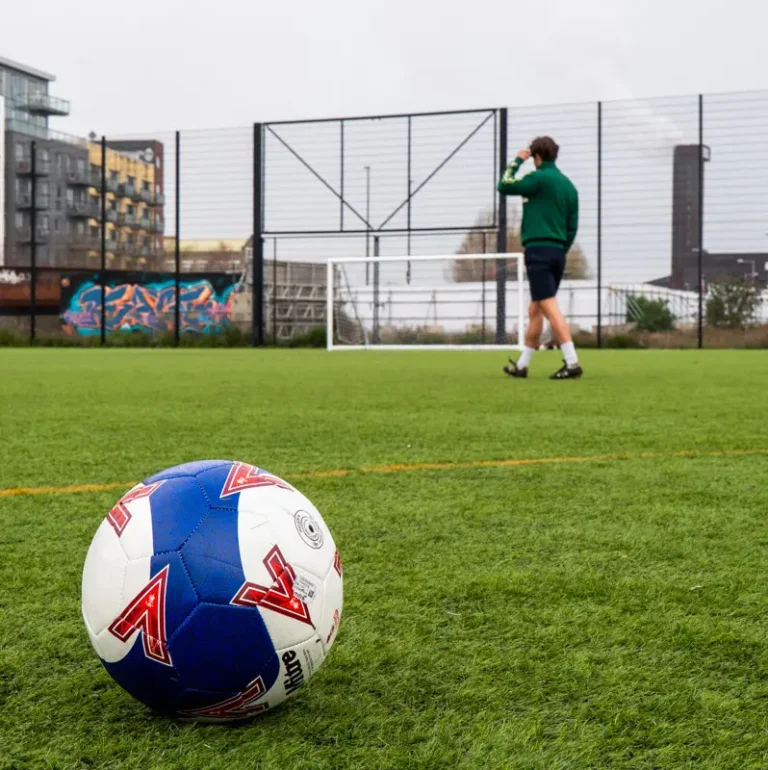
Social connections through football in practice
With an estimated 4 billion fans watching and playing, football is the sport that connects the world. It offers people from very different backgrounds a simple reason to meet and share time together. For many, it becomes a source of friendships, confidence and support well beyond the pitch. This article explores the research behind that connection. We draw on studies and official statistics to explain how football breaks social barriers, helps people grow networks and makes it easier to reach out without fear.

Football helps build friendships and networks
Football is one of the quickest ways to make friends. Simply stepping onto a pitch or standing in the stands gives people something in common to talk about. YouGov surveys back this up, with 47% of adults saying that sport helped them make friends when they were younger and similar research showing that more than 8 in 10 people believe youth sport helps children build lasting friendships. In Britain, this plays out every week, as people meet through Sunday leagues, school teams and small-sided or their favourite team games and find that the friendships often extend well beyond the match.
Over time, those teammates, opponents and supporters become part of a personal network and many discover that the same people they play or meet with can be the ones they later turn to for advice, work contacts or practical help. Football pitches and stadiums become community hubs where trust is built and where people can reach out without the usual nerves that come with asking a stranger. Psychologists use the term ‘social capital’ to describe the value of our relationships. Football generates plenty of it.
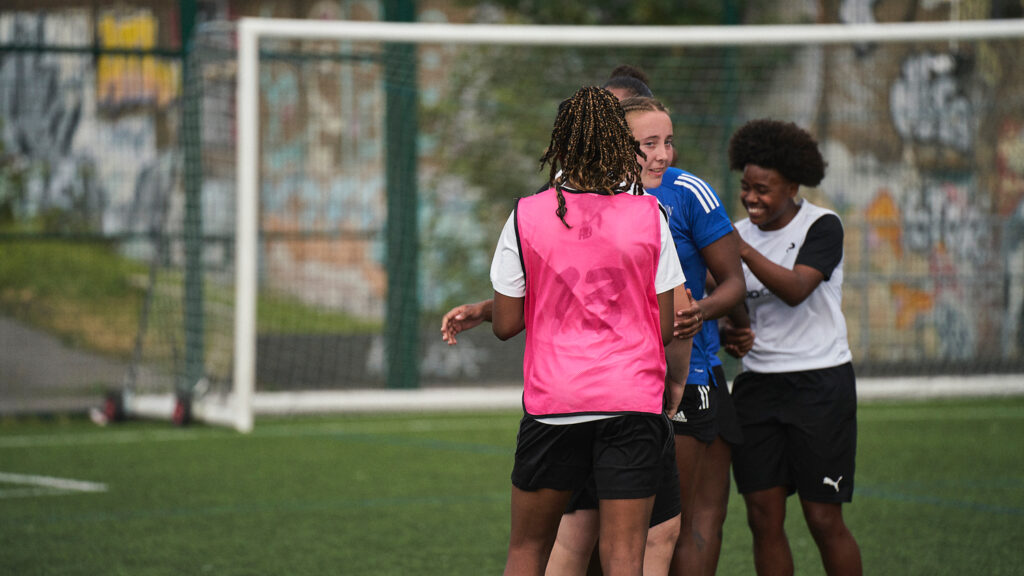
The pitch makes equals of us all
Football has a unique ability to create social connections and break down cultural barriers. On the pitch, it doesn’t matter what language you speak, what job you have or where you come from. What matters is the shared goal (quite literally!). Evidence from sport-for-development programmes shows how powerful this effect can be.
A study of the Austrian Football United programme, which brings together youth from diverse backgrounds, found significant improvements in cross-cultural friendships and social inclusion. Participants in the football programme showed higher openness toward other ethnic groups compared to non-participants. The boys in the programme also had fewer peer problems and more prosocial behaviors than those who didn’t join. In other words, playing football together helped young people bridge differences. They became more comfortable and positive about interacting with peers from other cultures.
Research in Britain shows that sport builds what is known as bridging social capital, which means it connects people who would not normally cross paths. Local football is a clear example, bringing together players of different ages, cultures and backgrounds who bond through the same game. Sport England highlights that football is one of the few activities that can genuinely bridge divides, whether that is between men and women, between homeless people and those with stable housing or between people in very different kinds of work.
For an immigrant or newcomer, joining a casual game is often the fastest way to feel part of the community, because the simple act of pulling on the same bib creates a sense of belonging that goes beyond differences in language or background. On the pitch there is no need for titles or status, as a student and a chief executive both become equal parts of the same team and this equal footing encourages open conversations and friendships that might never have formed elsewhere.
The culture of football smooths out the awkwardness of meeting strangers, so that a shared celebration of a goal or the disappointment of a miss can start a connection in a way that feels natural and unforced.
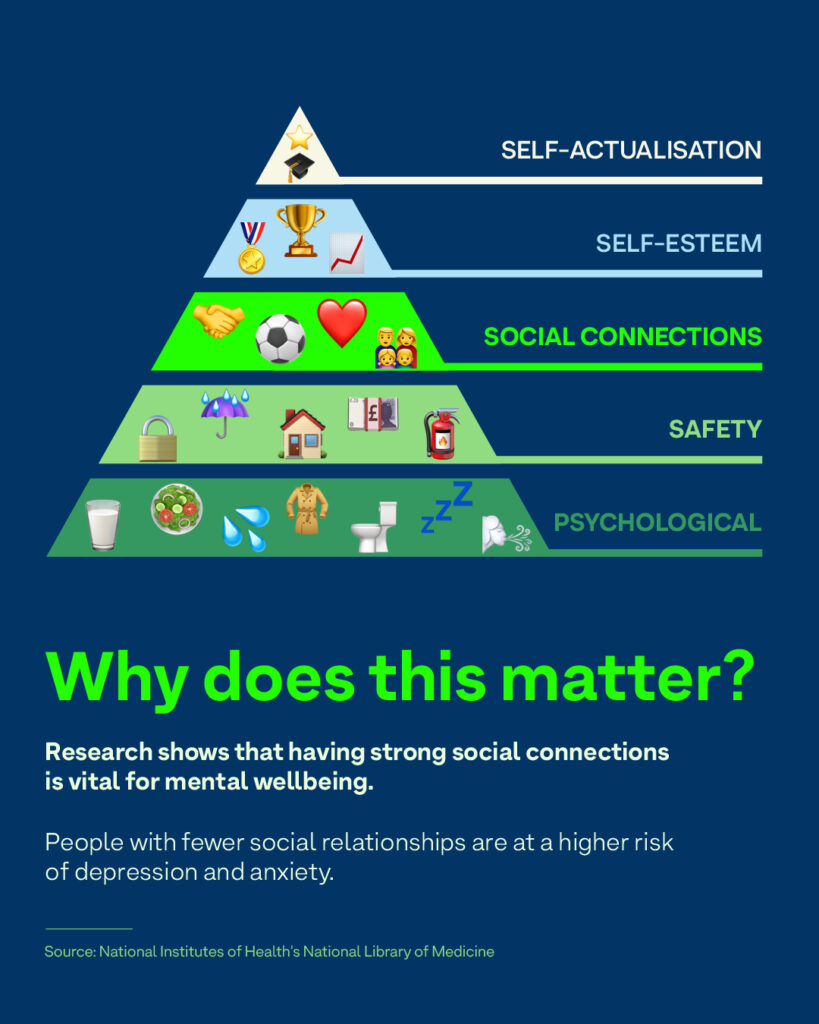
Building trust, confidence and social connections through Football
The science around team sport is clear. Playing in a football team teaches people to trust one another and this trust does not stop when the match ends. Playing together regularly, relying on teammates during games and sharing both victories and defeats, even in casual settings, builds a kind of confidence that carries into everyday life. Studies in evolutionary anthropology show that when people move together in groups their bodies release endorphins, the chemicals that make us feel good and these chemicals also deepen our sense of connection.
Researchers at Oxford University explain that joining in collaborative activities such as football helps people see one another as partners rather than strangers and this creates relationships that form more quickly and last longer. For those who struggle with shyness or social anxiety, the effect is even stronger. A football environment gives structure, a clear purpose and a safe place to interact without the pressure of small talk.
Research from Curtin University found that people who play team sports not only have better mental health but are also more resilient when life becomes stressful. Local football in Britain often becomes a safe space where people feel supported, knowing their teammates are behind them. Stories from players show that the confidence gained on the pitch spills over into work, family and social life and makes challenges outside football easier to face.
The proven social impact of Football
From evidence and experience alike, football earns its reputation as “the world’s game” not just in numbers but in its ability to connect human beings. It provides a common language in a world of differences. A handshake after a game or a chat over a favourite team can naturally evolve into genuine friendship or mentorship.
At a time when so many people in Britain report feeling lonely or cut off from those around them, football provides one of the simplest and most powerful answers. The evidence shows that taking part in football strengthens social connections and creates lasting support networks. Research confirms that people who take part in football and other sports report better mental health, stronger circles of friends and higher levels of trust in others.
One review even concluded that participants are more resilient against the pressures of modern life, which is no small claim in an age of rising stress and uncertainty. By giving people a group to belong to and a shared identity to hold onto, football lowers the barriers that usually stand in the way of reaching out. A teammate today can become a trusted friend tomorrow and that bond can last for years. Each pass and each goal becomes part of a wider fabric that holds communities together and reminds us why football really is for all.
Get Involved
If you’d like to support our work and help create more social connections through Football for All sessions, please get in touch. Together we can make the game open to everyone.
Sources: This article draws on surveys, academic studies and reports from organisations such as YouGov, Sport England and university research teams in Britain and overseas. References include work on sport, social capital, mental health and inclusion. For readability, these have been summarised rather than cited in full.