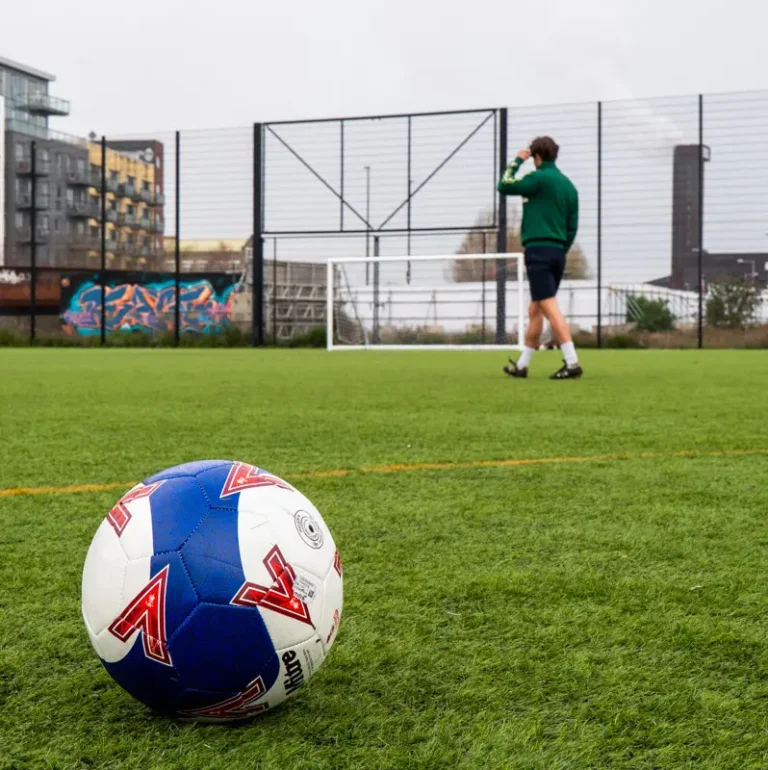
Lots of people have a complicated relationship with football. They played as kids, maybe into their twenties, then life got in the way. Work. Family. Injury. Time. Before long, years have passed and the boots are at the back of a cupboard somewhere. Sound familiar? If you have been thinking about getting back into football after a long break, you are not alone, and the good news is that it is far more straightforward than you might think.
Why so many people stop playing Football
It is worth understanding why people drift away from football in the first place. Research from Sport England’s Active Lives survey found that over 12 million adults in England want to be more physically active but do not feel like sport is for them. Many say they feel too old, too unfit or too far behind. That feeling is real, but it is also wrong.
Football is one of the most accessible team sports there is. You do not need to be fast. You do not need to be skilful. You just need to show up. Easier said than done, we know, so here are a few tips to make it a little easier.
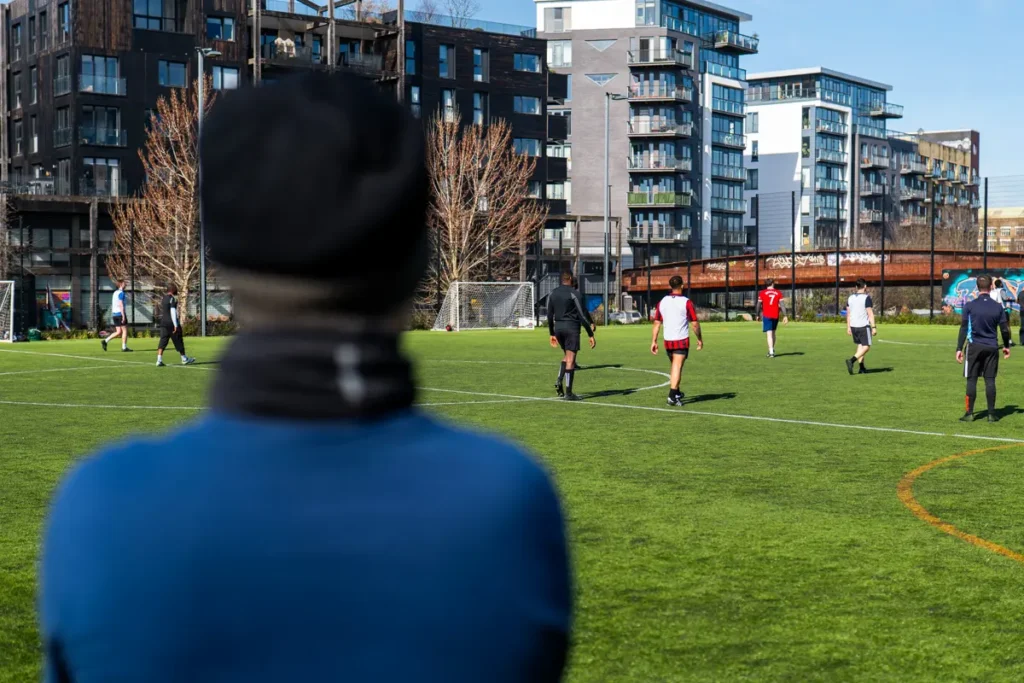
5 tips for returning to Football after a long break
1. Forget where you were and focus on where you are
Most people come back expecting to play like they did ten years ago. You won’t, at least not straight away, and that’s fine. The first few sessions are about getting your feet moving again and remembering why you loved it. Give yourself time to find your rhythm before you start judging yourself.
2. Start with a casual game, not a competitive one
If you have not played in a while, jumping straight into Saturday or Sunday league is probably not the best idea. Not because you cannot handle it but because you will get far more out of your first few sessions if the pressure is low.
Look for a local kickabout or a social football session near you. These are relaxed, friendly and open to all levels. There is no referee, no league table and no expectation. Just a game of football with people who are there for the same reasons you are.
Our sessions at Football for All are set up with this in mind. However long it’s been since you last played, you’ll be surprised how quickly it comes back.
3. Do not worry about your fitness level
This is the one that stops most people before they even start. They think they need to get fit and go for multiple runs before they play. But the research says the opposite.
A study published in the Scandinavian Journal of Medicine and Science in Sports found that recreational football significantly improves cardiovascular fitness, muscle strength and coordination, even in people who start from a low base. In other words, playing football is how you get fit for football.
Start at your own pace. Nobody is timing you. Nobody is judging you. Your body will adapt.
4. Go with someone if you can
Walking into a new session on your own can feel awkward. That is completely normal. But it does get easier and most people at community football sessions are in the same boat.
If you can, bring a friend or a colleague for that first session. It takes the edge off and gives you someone to talk to between games. Research from the Mental Health Foundation found that social connection through physical activity significantly reduces feelings of loneliness and anxiety, particularly in adults returning to exercise after a gap.
“The first five minutes were a bit rough if I’m honest. But then you get a touch, you make a run, someone passes it to you and you just get on with it. I don’t know why I left it so long” – Marc, Sheffield
5. Give It three sessions before you decide
Your first session back might feel tough. Your touch might not be where it was. You might feel self-conscious. That is fine. It is part of the process.
Most people find that by their third session, something shifts. The social side starts to feel easy. Their body starts to remember what to do. One session is not enough to judge anything. Give it a proper go.
According to the NHS, adults need at least 150 minutes of moderate physical activity per week. Three sessions of recreational football gets you most of the way there while also being genuinely enjoyable. That makes it one of the easiest ways to meet those guidelines without it feeling like exercise.
What to expect when you come back
Returning to football after a long break is rarely as scary as people expect. Most community sessions are welcoming, low-key and full of people who are just happy to be there. There is banter. There are mistakes. There are the occasional brilliant moments that remind you exactly why you fell in love with the game in the first place.
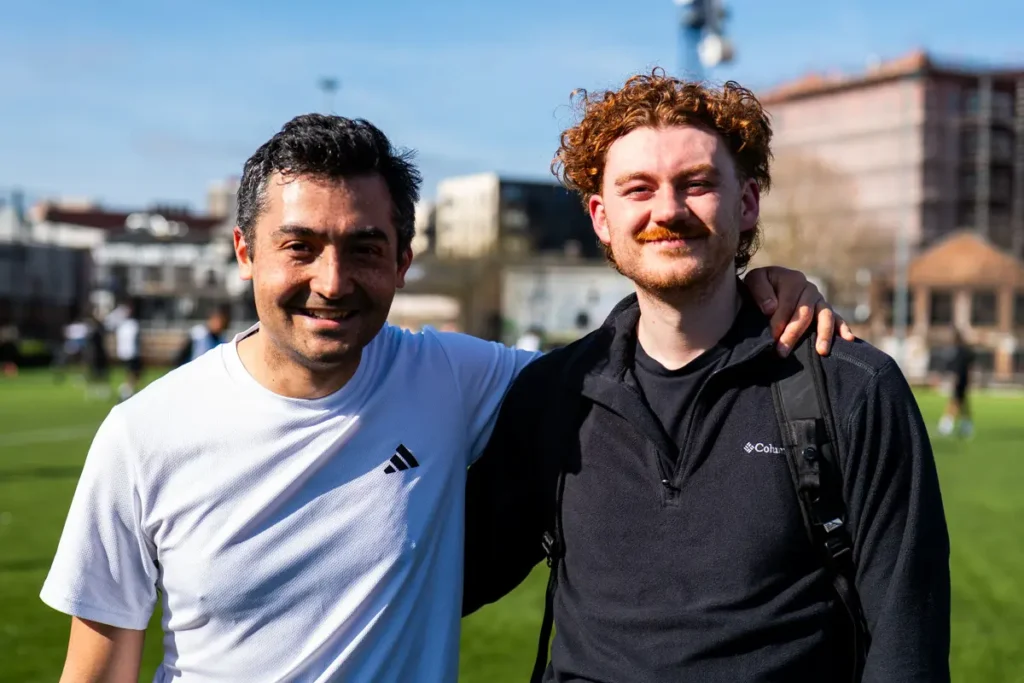
Ready to get back out there?
If you have been putting it off, consider this your nudge. Football for All runs weekly sessions across the UK, open to all ages and all skill levels. No long-term commitment and no pressure.
Find one of our sessions here or download the Footy Addicts app today!
If returning to football has been on your mind lately, let us know. Follow us on Instagram, Facebook or Linkedin and share your thoughts with us!